
Windparkbau im Fokus: drei typische Kabelherausforderungen
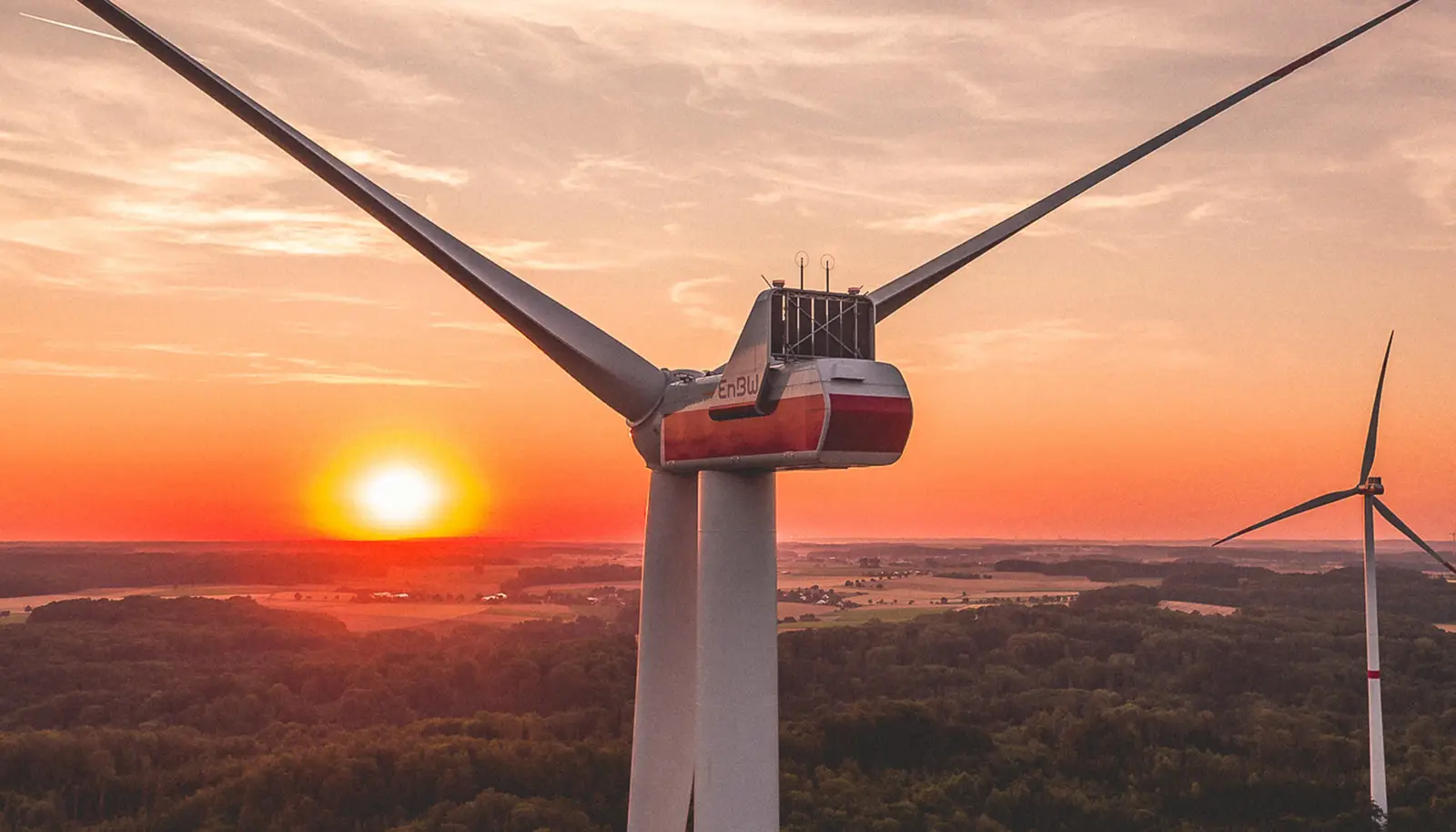
Onshore-Windenergie als Pfeiler der Energiewende | EnBW
Viele Faktoren haben den Bau von Windenergieanlagen in den letzten Jahren gebremst. Lesen Sie hier die Gründe!
Gerade bei Windparkprojekten mit mehreren Kilometern des NA2XS(F)2Y ist eine exakte Lieferkoordination entscheidend. Teil- und Komplettlieferungen müssen so geplant sein, dass sie sich an den tatsächlichen Baufortschritt anpassen.
Effiziente Logistiklösungen
Mit einer präzisen Planung der Kabelkapazitäten und einer reaktionsfähigen Logistik lässt sich auch unter hohem Zeitdruck effizient arbeiten. So bleibt der Netzanschluss des Windparks termingerecht – und der Energiefluss gesichert. Sie möchten wissen, welche Kabelarten in einem Windpark verlegt werden? Dann schauen Sie sich diesen Artikel an:
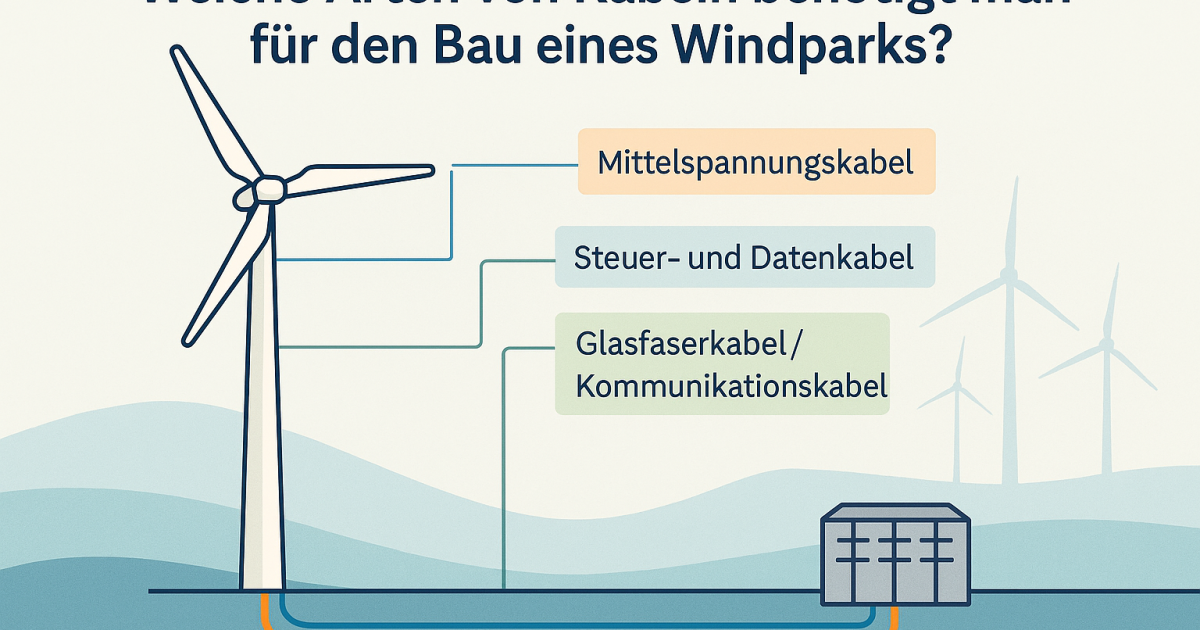
Welche Arten von Kabeln benötigt man für den Bau eines Windparks?
Die Verkabelung ist ein zentrales Element jeder Windkraftanlage und beeinflusst maßgeblich die Effizienz, Sicherheit und Wirtschaftlichkeit eines Windparks.…
Herausforderungen in der Praxis
Eine klare Kabellogistikstrategie ist der Schlüssel, um Materialengpässe und teure Stillstände zu vermeiden. So bleibt der Überblick gewahrt – selbst bei Projekten mit mehreren dutzend Kilometern Windparkverkabelung. Wer die Verpackung, Lagerung und Kennzeichnung frühzeitig in die Planung integriert, stellt sicher, dass die Windpark Kabel genau dort ankommen, wo sie gebraucht werden – ohne Zeitverlust und ohne Risiko für die Bauabfolge.
Herausforderung 3: Kurzfristige Projektänderungen
Kaum ein Windparkprojekt läuft exakt nach Plan. Baustellenbedingungen, Lieferengpässe oder neue Vorgaben der Netzbetreiber führen oft zu spontanen Anpassungen – und genau hier zeigt sich, wie flexibel die Kabellogistik wirklich ist. Typische Szenarien:
- Eine Trasse muss aufgrund geologischer Gegebenheiten verlegt werden.
- Die Kabeltypen oder Leiterquerschnitte ändern sich nach einer Netzberechnung.
- Der Lieferort verschiebt sich kurzfristig, weil Bauabschnitte schneller oder langsamer voranschreiten.
In solchen Fällen ist entscheidend, dass der Lieferant eigene Lagerbestände und eine kurze Reaktionszeit hat. Nur so lassen sich geänderte Kabellängen oder zusätzliche Erdungskomponenten kurzfristig bereitstellen, ohne das Bauprojekt zu verzögern. Ein erfahrener Partner kann hier den Unterschied machen:
- Schnelle Nachlieferung aus zentralem Lagerbestand in Deutschland
- Flexible Umlenkung von Lieferungen bei Planänderung
- Enge Abstimmung mit Projektleitern, Tiefbau und Montagepersonal
- Dokumentierte Rückverfolgbarkeit, um jede Änderung transparent zu halten
Wann klagt der NABU gegen Windkraftprojekte?
45 Klagen wurden wegen Fehlplanungen bei Windenergie zwischen 2010 und 2019 vom NABU auf den Weg gebracht. Nicht weil der Windenergieausbau aufgehalten werden soll, sondern weil immer wieder Vorhaben und Planungen eklatant gegen Naturschutzrecht verstoßen.
Qualität und Nachhaltigkeit als Erfolgsfaktor
Immer mehr Projektentwickler legen Wert auf nachhaltige Kabelsysteme, die Energieeffizienz und Langlebigkeit miteinander verbinden. Das betrifft nicht nur die Materialauswahl, sondern auch die Lieferketten: kurze Transportwege, projektnahe Lagerung und optimierte Verpackungskonzepte verringern Emissionen und Transportaufwand. Die Kombination aus technischer Qualität, ökologischer Verantwortung und effizienter Logistik macht moderne Windparkverkabelung zu einem zentralen Erfolgsfaktor im Netzausbau. Wer hier auf durchdachte Lösungen setzt, schafft die Basis für einen stabilen und nachhaltigen Energiefluss – heute und in Zukunft. Welche Kabel Sie für Ihr Windparkprojekt brauchen und welche Unterschiede es gibt, erklären wir Ihnen hier.
Unknown Block Type: animatedImage
{
  "type": "animatedImage",
  "data": true,
  "hasChildren": false
}
Fazit: Erfolgreich ans Netz
Mit der richtigen Kombination aus Erfahrung, Organisation und technischer Kompetenz lassen sich selbst komplexe Windparkverkabelungen effizient umsetzen. So bleibt der Bau im Zeitplan – und der Windpark liefert seine Energie genau dann, wenn sie gebraucht wird.
KLZ – Ihr Partner für erfolgreiche Windparkverkabelung
Ob Mittelspannung, Erdkabel oder komplette Netzanschlusslösungen – bei uns bekommen Sie nicht nur das passende Material, sondern auch die Erfahrung, die Projekte wirklich voranbringt. Seit Jahren begleiten wir Windkraftprojekte in ganz Deutschland und den Niederlanden – von der technischen Beratung über die Materialauswahl bis hin zur termingenauen Lieferung. Unser Vorteil liegt in der Praxisnähe: Wir wissen, wie eng Bauzeiten im Windparkbau sind, welche Kabelsysteme sich bewährt haben und worauf es bei der Logistik wirklich ankommt. Durch unsere Lagerkapazitäten in der Mitte Deutschlands reagieren wir schnell auf Änderungen und halten Lieferketten stabil – auch wenn Projekte dynamisch verlaufen. Mit unserem Netzwerk, unserer Marktkenntnis und unserer Leidenschaft für erneuerbare Energien sorgen wir dafür, dass Ihr Windkraftprojekt pünktlich und reibungslos ans Netz geht. ➡️ **Planen Sie ein neues Windparkprojekt oder benötigen Unterstützung bei der Kabelauswahl?**Dann sprechen Sie uns an – wir liefern die Kabel, Lösungen und Erfahrung, die Ihr Projekt erfolgreich machen. Jetzt Kontakt aufnehmen
Ready for theEnergy Transition?
From wind and solar park planning to delivering high-quality energy cables, we bring your projects to life.
Free initial consultation for your project.