
Welche Kabel für Windkraft? Unterschiede von Nieder- bis Höchstspannung erklärt
Stromnetze für die Energiewende
Der Europäische Rechnungshof dringt auf mehr Investitionen, um die Elektrizitätsnetze in der EU fit für erneuerbare Energien zu machen. Eine dezentrale und flex
Vorteile:
- Günstig in der Anschaffung
- Einfach zu verlegen
- Ideal für kurze Distanzen
Aufbau:
- Leiter: Kupfer oder Aluminium
- Isolierung: PVC (preiswert) oder XLPE (wärmebeständig)
- Mantel: robust gegen mechanische Belastung
In der Windkraftinfrastruktur wird das NAYY häufig für Beleuchtung, Kontrollsysteme oder die interne Stromverteilung in Betriebsgebäuden genutzt. Es ist robust, wartungsarm und bewährt sich seit Jahrzehnten in der Praxis.
Mittelspannungskabel – Die Arbeitstiere im Windpark
Mittelspannungskabel sind das Rückgrat eines jeden Windparks. Sie decken den Spannungsbereich von 1 kV bis 45 kV ab und sind essenziell für die Energieverteilung zwischen Windenergieanlagen und den Sammelpunkten. Diese Kabel sind enorm belastbar, müssen hohen Temperaturen, Spannungsfeldern und mechanischen Einflüssen standhalten.
Aufbau (am Beispiel NA2XS(F)2Y)
Typische Kabeltypen:
- NA2XS(F)2Y (Aluminiumleiter, mit Feldsteuerung)
- N2XSY (Kupferleiter, besonders leitfähig)
- NA2XS2Y (optimiert für geringe Kapazitäten bei langen Verläufen)
Einsatzbereiche:
- Turbinenanschlüsse im Windpark
- Sammelleitungen zu Trafostationen
- Verbindungen in Hybridanlagen (z. B. Solar-Wind-Projekte)
Lassen Sie uns Ihre Energieprojekte voranbringen
Schnell, verlässlich und unkompliziert – nehmen Sie Kontakt auf für individuelle Kabel- und Energielösungen. Wir sind für Sie da.
Hochspannungskabel – Wenn Leistung auf Strecke geht
Anwendungen:
- Netzanbindung entlegener Windparks
- Fernleitungen zu Umspannwerken
- Übergang in übergeordnete Hochspannungsnetze
Beispielkabel:
NA2XS(F)2Y – dieser Kabeltyp erfüllt alle Anforderungen für moderne Hochspannungsnetze. Er bietet hohe Betriebssicherheit und ist durch seinen modularen Aufbau leicht plan- und kalkulierbar.
Hochspannungskabel bilden das Bindeglied zwischen Windpark und Stromnetz. Wer hier auf Qualität achtet, sichert nicht nur die Einspeisung, sondern auch die langfristige Betriebssicherheit des Projekts.
Höchstspannungskabel – Die Stromautobahnen der Zukunft
Über 230 kV beginnt die Höchstspannungsebene. Diese Kabel kommen vor allem dort zum Einsatz, wo es um großflächige Stromverteilung und überregionale Verbindung von Energiezentren geht. In Zeiten von Energiewende und internationalem Stromhandel sind Höchstspannungskabel nicht nur eine technische Notwendigkeit – sie sind strategisch entscheidend. Technische Anforderungen:
- XLPE-Isolierungen mit mehrlagigem Aufbau
- Metallische Schirme und Erdungselemente
- Armierungen gegen mechanische Einwirkungen
- Glasfasersysteme zur kontinuierlichen Überwachung (Temperatur, Belastung)
Typische Anwendungen:
- Netzanbindung großer Offshore- oder Hybridkraftwerke
- Interregionale Energieverbindungen
- Smart-Grid Kabel Windkraft in intelligenten Verteilnetzen
Solche Kabel sind meist Sonderanfertigungen, perfekt auf das jeweilige Projekt abgestimmt. Sie transportieren nicht nur Strom, sondern übernehmen auch Steuerungs- und Kommunikationsaufgaben – alles in einem einzigen Leitungssystem. Höchstspannungskabel sind eine technische Meisterleistung. Wer diese richtig einsetzt, kann erneuerbare Energien effizient, intelligent und über Landesgrenzen hinweg verfügbar machen.
Vergleichstabelle – Spannungsklassen und ihre Rolle
| Kategorie | Spannung | Typische Kabel | Einsatz im Windpark |
|---|---|---|---|
| Niederspannung (LV) | bis 1 kV | N2X2Y, N2XY, NA2X2Y, NA2XY, NAY2Y, NAYCWY, NAYY, NY2Y, NYCWY, NYY | Steuerung, Nebenaggregate |
| Mittelspannung (MV) | 1 – 45 kV | N2XS(F)2Y, N2XS(FL)2Y, N2XS2Y, N2XSY, NA2XS(F)2Y, NA2XS(FL)2Y, NA2XS2Y, NA2XSY | Haupttrassen, Turbinen-zu-Trafo |
| Hochspannung (HV) | 45 – 230 kV | NA2XS(F)2Y Hochspannung | Netzanschluss, Fernleitung |
| Höchstspannung (EHV) | über 230 kV | Spezialanfertigung | Internationale Stromtrassen, Smart Grids |
Die Tabelle verdeutlicht: Je höher die Spannung, desto spezialisierter das Kabel. Gleichzeitig steigen die Anforderungen an Planung, Verlegung und Überwachung. In diesem Artikel können Sie nachlesen, wie sich unsere Energie smart und nachhaltig verteilen lässt.
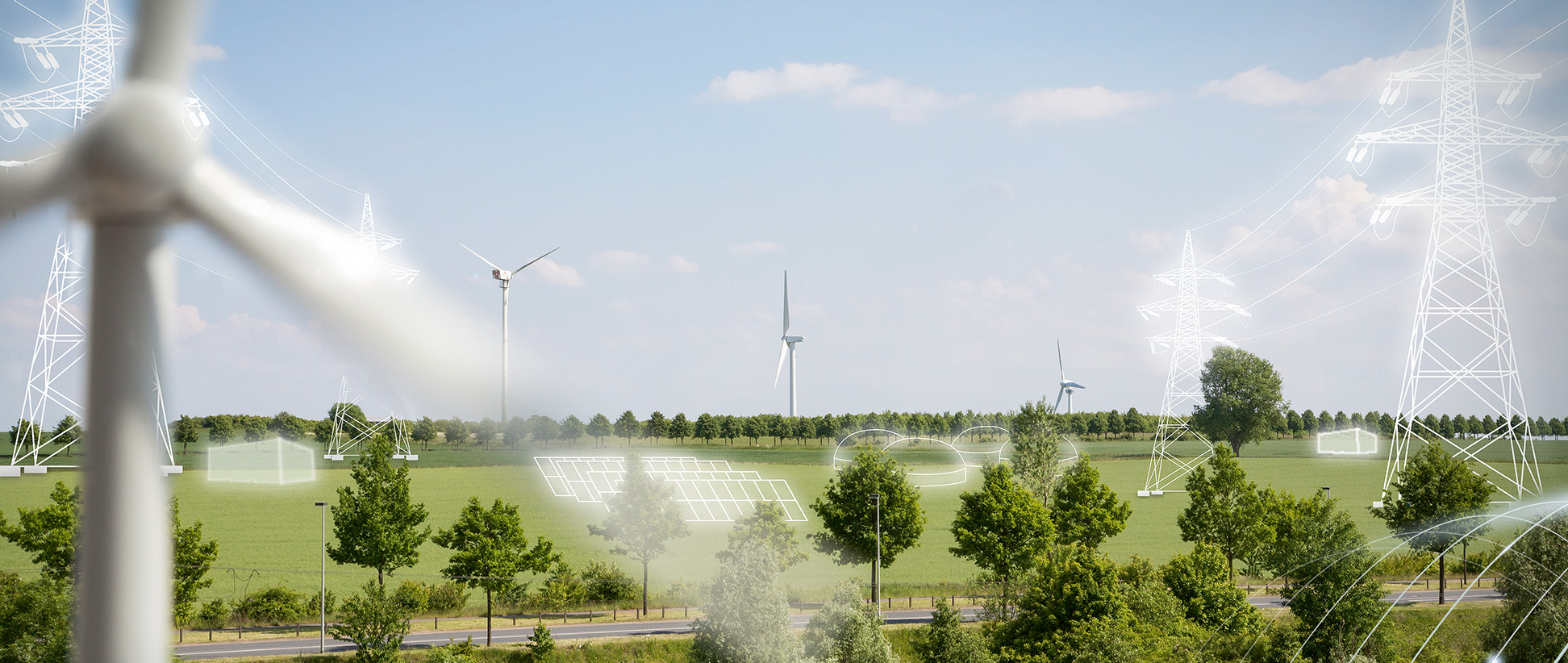
Stromversorgung: Wie das Smart Grid die Energiewende ermöglichtAbertausende Klein- und Kleinstkraftwerke, eine sicherzustellende Versorgung, hoher Bedarf: Das Stromnetz der Zukunft muss intelligent sein.
## Fazit – Strom ist nur so stark wie sein Kabel
Ready for theEnergy Transition?
From wind and solar park planning to delivering high-quality energy cables, we bring your projects to life.
Free initial consultation for your project.