
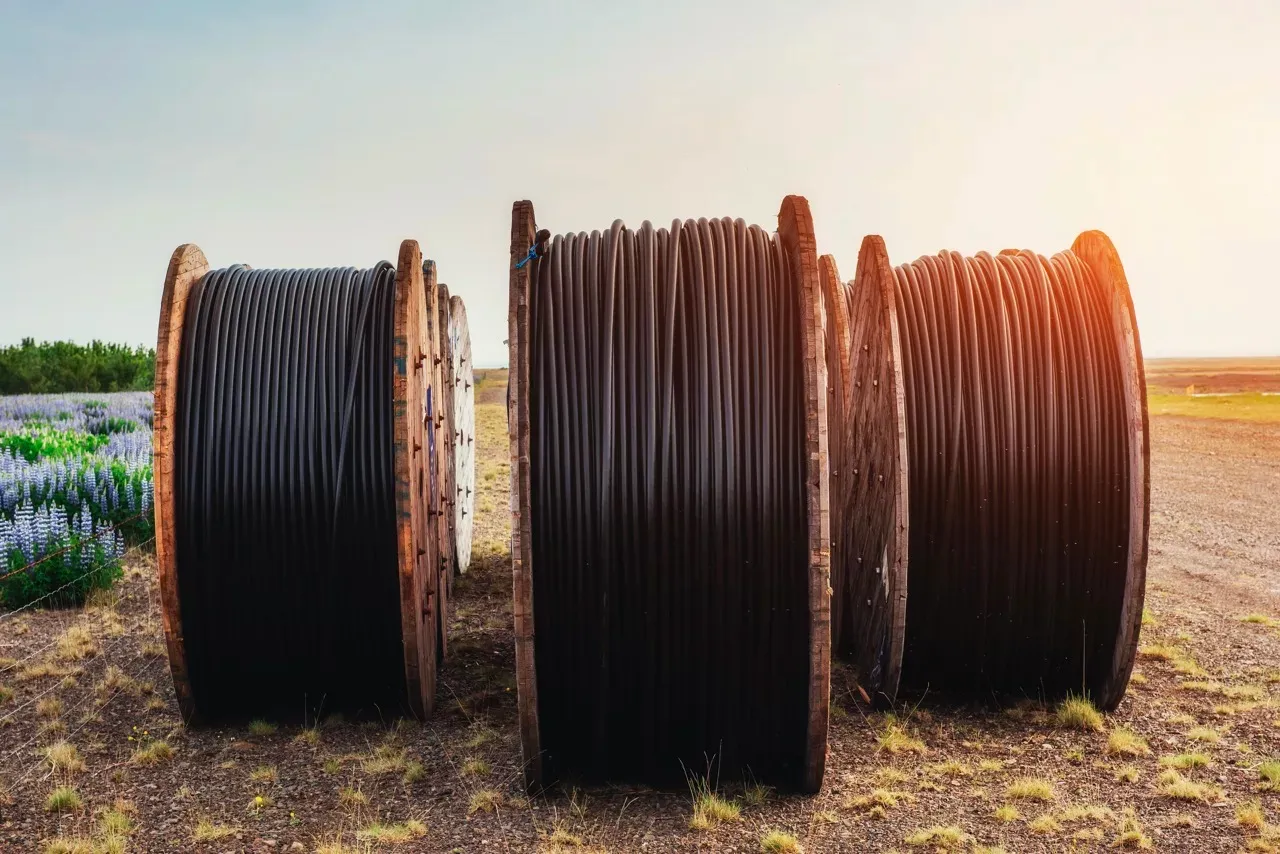
Sicherheit bei Kabeltrommeln: Unfallfrei und effizient arbeiten
Sicherheit bei Kabeltrommeln: Unfallfrei und effizient arbeiten
Kabeltrommeln dienen dazu, Kabel sicher zu lagern und zu schützen. Eine unsachgemäße Handhabung kann jedoch diese Vorteile zunichtemachen. Sowohl die Unversehrtheit der Kabel als auch die Sicherheit der Belegschaft können durch falschen Umgang erheblich beeinträchtigt werden. Die wichtigsten Gründe, Kabeltrommelsicherheit zu priorisieren:
- Längere Lebensdauer der Kabel: Vermeidung von Abnutzung, mechanischen Schäden und schädlichen Umwelteinflüssen.
- Kostenreduktion: Vermeidung unnötiger Reparaturen, Austauschkosten und betrieblicher Verzögerungen.
- Einhaltung von Sicherheitsvorschriften: Sicherstellung von Arbeitsplatzstandards und Vermeidung potenzieller Bußgelder.
1. Richtige Lagerung: Die Grundlage schaffen
- Mechanischer Schutz: Halten Sie Trommeln von scharfen Gegenständen, schweren Maschinen oder Werkzeugen fern, die Kabel durchbohren oder abreiben könnten.
- UV-Beständigkeit: Lagern Sie Trommeln in Innenräumen oder unter UV-schutzenden Abdeckungen, um Kabel vor langfristiger Sonneneinstrahlung zu schützen, die Isolierungen abbauen und Risse verursachen kann.
- Temperatur beachten: Kälte kann Kabel spröde machen, während übermäßige Hitze sie schwächen kann. Lagern Sie Trommeln in Umgebungen, die den empfohlenen Temperaturbereich der Kabel einhalten.
Optimierung des Lagerplatzes
- Ausreichender Abstand: Sorgen Sie für genügend Platz zwischen den Trommeln, um ein Verheddern oder unbeabsichtigten Kontakt mit scharfen Oberflächen zu vermeiden.
- Durchhängen verhindern: Stapeln Sie Trommeln niemals direkt auf den Kabeln, da dies zu dauerhafter Verformung oder Leistungseinbußen führen kann.
📦 Expertentipp: Eine fachgerechte Lagerung schützt Ihre Kabel und erleichtert die Handhabung auf lange Sicht!
2. Feuchtigkeitsschutz: Alles dicht machen
Wasser und Feuchtigkeit gehören zu den größten Gefahren für die Integrität von Kabeln. Dringt Feuchtigkeit in die Kabelenden ein, kann dies zu zahlreichen Problemen führen, darunter Korrosion der Leiter, Kurzschlüsse und letztlich der Ausfall der Isolierung. Der Schutz der Kabel vor Feuchtigkeit ist entscheidend für ihre Langlebigkeit und Leistungsfähigkeit.
Abdichtung der Kabelenden
Die Kabelenden sind besonders anfällig für Feuchtigkeitseintritt. Um dieses Risiko zu minimieren:
- Feuchtigkeitsdichte Kappen verwenden: Decken Sie die Kabelenden mit speziellen Kappen ab, die Feuchtigkeit abhalten und eine feste Abdichtung gewährleisten.
- Regelmäßige Inspektion: Überprüfen Sie die Kappen regelmäßig auf Verschleiß, Beschädigungen oder eine unsachgemäße Passform. Ersetzen Sie sie sofort, wenn sie Anzeichen von Schwächen aufweisen, um eine sichere Barriere gegen Feuchtigkeit aufrechtzuerhalten.
Erhöhte Lagerung
Auch die richtige Lagerung spielt eine wichtige Rolle beim Schutz vor Feuchtigkeit:
- Regale oder Paletten verwenden: Lagern Sie Kabeltrommeln erhöht, um direkten Kontakt mit feuchten oder nassen Oberflächen zu vermeiden. Dadurch wird das Risiko minimiert, dass Wasser in die Kabel eindringt.
- Geeignete Lagerorte wählen: Bewahren Sie Kabel in gut belüfteten, trockenen Bereichen auf, die fern von Wasserquellen oder übermäßiger Luftfeuchtigkeit liegen.
Durch die Umsetzung dieser Vorsichtsmaßnahmen können Sie das Risiko von feuchtigkeitsbedingten Schäden erheblich reduzieren und die Qualität sowie Sicherheit Ihrer Kabel langfristig bewahren. 💧 Clevere Strategie: Ein effektiver Feuchtigkeitsschutz hält Ihre Kabel in Top-Zustand und sorgt für zuverlässige Leistung über viele Jahre hinweg!
3. Handhabung von Kabeltrommeln: Sicherheit beginnt hier
Kabeltrommeln sind schwer, unhandlich zu bewegen und kippen leicht um, wenn sie unsachgemäß gehandhabt werden. Ein durchdachter Umgang minimiert Risiken für Personal und Ausrüstung.
Vor der Handhabung: Inspektionen
- Gefahren erkennen: Suchen Sie nach hervorstehenden Nägeln, Splittern oder anderen Defekten, die Kabel oder die Personen bei der Handhabung verletzen könnten.
- Trommelzustand überprüfen: Stellen Sie sicher, dass die Spule frei von Rissen, Verwerfungen oder anderen strukturellen Schwächen ist.
Tipps zur Handhabung
- Geeignetes Equipment verwenden: Nutzen Sie Gabelstapler oder Kräne für schwere Trommeln. Überprüfen Sie vorab die Tragfähigkeit Ihrer Ausrüstung.
- Bewegungen kontrollieren: Vermeiden Sie abrupte Bewegungen, um ein Umkippen oder Verrutschen der Kabel zu verhindern.
🛠️ Profi-Sicherheitstipp: Gründliche Inspektionen und richtige Handhabungstechniken bilden die Grundlage für ein sicheres und effizientes Kabeltrommel-Management!
4. Transport von Kabeltrommeln: Stabilität in Bewegung
Ein sicherer Transport verhindert das Verrutschen, Rollen oder andere Probleme, die Ihre Kabel beschädigen könnten.
Be- und Entladen
- Vorausplanen: Verwenden Sie Geräte, die dem Gewicht und der Größe der Trommel entsprechen. Heben oder lassen Sie Trommeln niemals manuell fallen.
- Richtungsanweisungen beachten: Rollen Sie Trommeln immer in die angegebene Richtung, um die Kabelspannung zu erhalten und Verhedderungen zu vermeiden.
Sicherung der Ladung
- Horizontale Positionierung: Halten Sie die Achse der Trommel stets horizontal, um unkontrolliertes Rollen zu verhindern.
- Keile oder Klammern verwenden: Stabilisieren Sie die Trommeln, um Bewegungen während des Transports zu vermeiden.
Stapelhinweise
- Nur mit Schutzgehäusen stapeln: Stellen Sie sicher, dass die untere Lage ausreichend gestützt wird. Ohne Schutzmaßnahmen kann es zu strukturellen Schäden kommen.
🚛 Logistik-Tipp: Sorgfältige Vorbereitung und sichere Transportmethoden schützen Ihre Kabel und sorgen für einen reibungslosen Betrieb. Brauchen Sie Unterstützung? Kontaktieren Sie uns!
5. Häufige Herausforderungen und Lösungen für die Sicherheit von Kabeltrommeln
Diebstahl, Schäden während der Lagerung und unsachgemäße Handhabung sind häufige Probleme. Hier sind praktische Ansätze, um diese Herausforderungen zu bewältigen:
Diebstahl verhindern
Kabeltrommeln, insbesondere solche mit Kupfer, sind wertvolle Ziele für Diebe. So können Sie sich schützen:
- Anti-Diebstahl-Technologien nutzen: Installieren Sie GPS-Tracker oder manipulationssichere Siegel an den Trommeln. Weitere Lösungen finden Sie in Effektive Strategien zur Reduzierung von Kabeldiebstahl.
- Gesicherte Lagerung: Bewahren Sie Trommeln in eingezäunten oder überwachten Bereichen auf. Überwachungssysteme wie in So verhindern Sie Kupfer- und Kabeldiebstahl beschrieben, wirken abschreckend.
Schäden bei der Handhabung vermeiden
- Richtlinien einhalten: Verwenden Sie geeignetes Hebe-Equipment und vermeiden Sie es, Trommeln fallen zu lassen, da dies die Kabelintegrität beeinträchtigen kann.
Schutz vor Umwelteinflüssen
- Regelmäßige Inspektionen: Stellen Sie sicher, dass Trommeln während der Langzeitlagerung in gutem Zustand bleiben.
- Investieren in Schutzmaßnahmen: Langlebige, feuchtigkeitsbeständige Kappen, wie in Einfache Methoden zur Vermeidung von Kabeldiebstahl beschrieben, sind eine kostengünstige Lösung.
🔒 Sicherheits-Tipp: Proaktive Maßnahmen schützen nicht nur Ihre Kabeltrommeln, sondern sparen auch Zeit und Kosten, indem sie Diebstahl, Schäden und Umwelteinflüsse vermeiden!
Häufig gestellte Fragen zur Sicherheit von Kabeltrommeln
- Wie erkenne ich Schäden an einer Kabeltrommel?
Suchen Sie nach Anzeichen wie Rissen in der Spule, beschädigten Siegeln oder freiliegenden Kabelenden. Eine schnelle Inspektion vor jeder Handhabung kann Ihnen größere Probleme ersparen.
- Gibt es Hilfsmittel zum Sichern von Trommeln während des Transports?
Ja, Keile, Klammern und Schutzgehäuse sind effektive Hilfsmittel. Investieren Sie in hochwertige Lösungen wie die, die in Anti-Diebstahl-Kupferkabeln beschrieben werden.
- Kann ich Kabeltrommeln wiederverwenden?
Ja, viele Kabeltrommeln sind für die Wiederverwendung ausgelegt. Stellen Sie sicher, dass sie sich in gutem Zustand befinden und den Anforderungen Ihres Projekts entsprechen.
Fazit: Sicherheit ist eine Investition
Die Umsetzung robuster Sicherheitspraktiken für Kabeltrommeln sorgt für einen reibungslosen Arbeitsablauf, schützt wertvolle Ressourcen und reduziert Risiken. Vom Feuchtigkeitsschutz bis hin zur Diebstahlprävention trägt jeder Schritt zur langfristigen Zuverlässigkeit bei. Indem Sie die Sicherheit von Kabeltrommeln priorisieren, können Sie die Lebensdauer Ihrer Kabel verlängern, Ausfallzeiten minimieren und eine sichere Arbeitsumgebung aufrechterhalten. Weitere Einblicke in die Diebstahlprävention finden Sie in Die Beendigung des Kupferdiebstahls. Brauchen Sie Unterstützung bei der Sicherung Ihrer Kabeloperationen? Kontaktieren Sie uns noch heute für Expertenrat, nachhaltige Lösungen und erstklassige Kabelprodukte, die auf Ihre Bedürfnisse abgestimmt sind.
Ready for theEnergy Transition?
From wind and solar park planning to delivering high-quality energy cables, we bring your projects to life.
Free initial consultation for your project.