
Was macht ein erstklassiges Kabel aus? Finden Sie es hier heraus!
Was macht ein erstklassiges Kabel aus? Finden Sie es hier heraus!
Ein erstklassiges Kabel zeichnet sich durch Langlebigkeit, Effizienz und Sicherheit aus. Minderwertige Kabel hingegen können schnell verschleißen, Energieverluste verursachen oder sogar Brände auslösen. Die Qualität der Kabel ist besonders wichtig im Bereich der erneuerbaren Energien, wie bei Solaranlagen oder Windparks. Sie müssen den widrigsten Umwelteinflüssen standhalten und über Jahrzehnten zuverlässig funktionieren. Hochwertige Kabel tragen nicht nur dazu bei, Betriebskosten durch geringere Energieverluste zu senken, sondern minimieren auch Wartungskosten. Das bedeutet, dass ein gut gewähltes Kabel langfristig Ressourcen und Geld spart – ein klarer Vorteil für Unternehmen und Haushalte gleichermaßen.
- Langlebigkeit für extreme Bedingungen
Erstklassige Kabel sind darauf ausgelegt, extremen Umweltbedingungen standzuhalten, insbesondere in Projekten der erneuerbaren Energien wie Solar- und Windparks.
- Effizienz bei der Energieübertragung
Hochwertige Kabel minimieren Energieverluste und gewährleisten maximale Effizienz beim Stromtransport.
- Sicherheit als oberste Priorität
Premium-Kabel reduzieren Risiken wie Überhitzung oder Brände und bieten sowohl Unternehmen als auch Haushalten Sicherheit.
- Geringere Betriebskosten
Der Einsatz von hochwertigen Kabeln senkt Energieverluste und führt langfristig zu erheblichen Einsparungen.
- Reduzierte Wartungskosten
Langlebige Kabel erfordern weniger häufige Wartung, was sowohl Zeit als auch Geld spart.
- Nachhaltigkeit durch recycelbare Materialien
Umweltfreundliche Kabel aus recycelbaren Materialien tragen dazu bei, die Umweltbelastung zu verringern.
- Nahtlose Integration in erneuerbare Energien
Zuverlässige Kabel gewährleisten einen effizienten Stromtransport aus erneuerbaren Quellen in das Stromnetz.
- Beitrag zu einer klimaneutralen Zukunft
Durch die Reduzierung von Energieverlusten und die Verwendung nachhaltiger Materialien unterstützen hochwertige Kabel die globalen Ziele der Kohlenstoffneutralität.
- Erhöhte Lebensdauer der Infrastruktur
Premium-Kabel bieten Jahrzehnten zuverlässige Leistung und verlängern somit die Lebensdauer der Energieinfrastruktur.
- Eine kluge Investition für Unternehmen und Haushalte
Die Wahl des richtigen Kabels ist eine langfristige Investition, die sich in Sicherheit, Kosteneinsparungen und Nachhaltigkeit auszahlt.
Die Bedeutung hochwertiger Kabel für eine nachhaltige Zukunft

Why Cable Quality Matters: The Impact on Energy Efficiency and Longevity
In the electrical systems that we have today, there’s no denying that cable quality is important in ensuring optimal performance and safety.
Die Wahl des richtigen Materials ist entscheidend, um Kabel sowohl langlebig als auch effizient zu gestalten. Zwei der häufigsten und wichtigsten Materialien, die in Kabeln verwendet werden, sind Kupfer und Aluminium. Sie spielen eine zentrale Rolle in der elektrischen Leitfähigkeit und Haltbarkeit von Kabeln.
Die Rolle von Kupfer und Aluminium
Kupfer gehört zu den besten Materialien für die Stromleitung, da es eine hervorragende elektrische Leitfähigkeit aufweist. Es minimiert den Widerstand, was zu weniger Energieverlust und besserer Effizienz führt. Kupferkabel sind außerdem äußerst langlebig, da Kupfer korrosionsbeständig ist und auch bei extremen Temperaturen zuverlässig funktioniert. Aus diesem Grund ist Kupfer besonders in den Bereichen Elektronik, Energie und Automobilindustrie sehr beliebt.
Aluminium hingegen ist günstiger und leichter als Kupfer, was es zu einer bevorzugten Wahl für größere Kabelanwendungen wie in der Hochspannungsübertragung macht. Allerdings hat Aluminium eine geringere elektrische Leitfähigkeit als Kupfer, weshalb es in der Regel bei größeren Querschnitten eingesetzt wird, um den gleichen Widerstand zu erzielen. Dennoch machen sein geringeres Gewicht und die Materialkosten es zu einer attraktiven Alternative zu Kupfer, besonders in großen Infrastrukturprojekten.Beide Materialien sind daher unerlässlich für die Produktion von Kabeln, die sowohl zuverlässig als auch wirtschaftlich sind. Doch um eine nachhaltigere Zukunft zu fördern, sind umweltfreundliche Alternativen und das Recyclingpotenzial ebenfalls von großer Bedeutung.
Umweltfreundliche Alternativen und Recyclingpotenzial
Die Nachfrage nach umweltfreundlichen Materialien wächst, da immer mehr Unternehmen und Verbraucher Wert auf Nachhaltigkeit legen. Einige Hersteller setzen auf innovative Alternativen, die die Umweltbelastung der Kabelproduktion minimieren können:
- Kupfer-Recycling: Kupfer gehört zu den am meisten recycelten Metallen der Welt. Recycling kann den Bedarf an neu abgebautem Kupfer verringern, was nicht nur die Umwelt schont, sondern auch Kosten spart. Der Kupfer-Recyclingprozess ist äußerst energieeffizient und benötigt nur einen Bruchteil der Energie, die für die Gewinnung von frischem Kupfer erforderlich ist.
- Aluminium-Recycling: Auch Aluminium ist ein hochgradig recycelbares Material. Der Recyclingprozess für Aluminium erfordert nur etwa 5% der Energie, die für die Produktion von neuem Aluminium benötigt wird. Viele Hersteller setzen auf recyceltes Aluminium, um ihre Umweltbilanz zu verbessern und gleichzeitig die Effizienz ihrer Kabelprodukte zu steigern.
- Biologisch abbaubare Isolierung: Ein weiterer Trend ist die Entwicklung von biologisch abbaubaren oder umweltfreundlicheren Isoliermaterialien. Diese Materialien reduzieren nicht nur den Einsatz toxischer Substanzen, sondern tragen auch dazu bei, Abfall nach der Lebensdauer des Kabels zu minimieren.
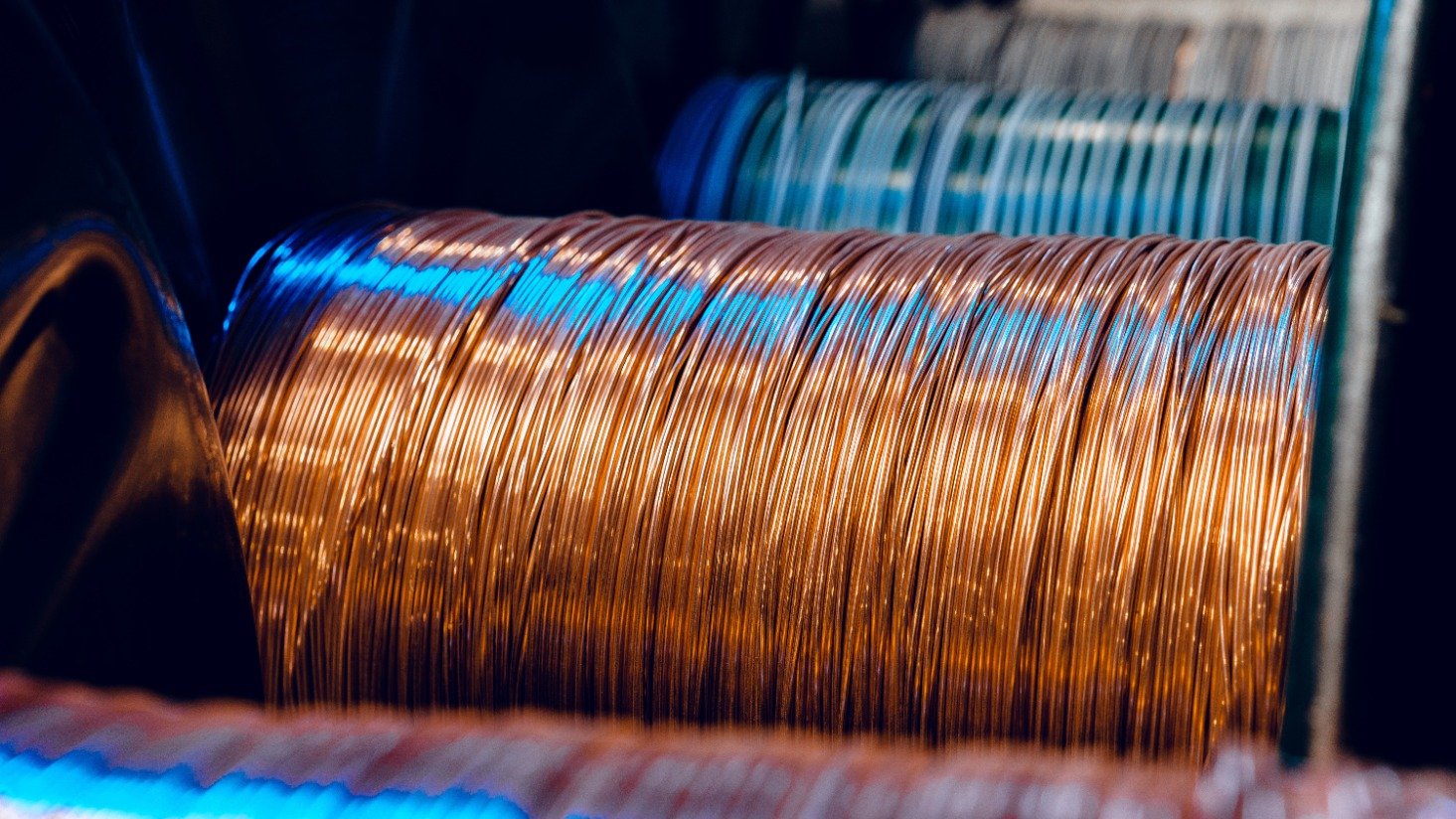
Pros and Cons of Copper and Aluminum Wire
Copper wire and aluminum wire — which option is better? We weight the pros and cons.
Renewable Energy Cable Assemblies — We’ve Got You Covered - Cables Unlimited Inc.
Cable assemblies used in renewable energy installations, what they are, their benefits and cable systems for renewable energy design factors.
Die Qualität von Kabeln wird nicht nur durch ihre Materialien und Technologien bestimmt, sondern auch durch die Einhaltung von Zertifikaten und Standards. Diese garantieren, dass Kabel sicher, effizient und langlebig sind. Sie spielen eine entscheidende Rolle bei der Sicherstellung der Produktqualität und sind ein wichtiges Kriterium bei der Auswahl von Kabeln für verschiedene Anwendungen, insbesondere im Hinblick auf Nachhaltigkeit und Umweltschutz.Wichtige Standards und Siegel für erstklassige Kabel Es gibt zahlreiche Standards und Zertifikate, die Kabelhersteller einhalten müssen, um sicherzustellen, dass ihre Produkte die höchsten Qualitätsanforderungen erfüllen:
- IEC (International Electrotechnical Commission): Diese internationale Organisation legt weltweite Standards für elektrische und elektronische Produkte fest. Kabel, die den IEC-Standards entsprechen, bieten ein hohes Maß an Sicherheit und Zuverlässigkeit.
- UL (Underwriters Laboratories): Besonders in den USA ist das UL-Zertifikat ein wichtiger Standard, der die Sicherheitsanforderungen für Kabel prüft. Kabel mit dem UL-Zeichen garantieren, dass sie die höchsten Sicherheitsstandards erfüllen.
- CE-Kennzeichnung: In Europa zeigt die CE-Kennzeichnung an, dass ein Kabel alle relevanten EU-Anforderungen erfüllt und somit für den europäischen Markt zugelassen ist. Dies betrifft nicht nur die Sicherheit, sondern auch die Umweltverträglichkeit der Produkte.
- RoHS (Restriction of Hazardous Substances): Dieser Standard stellt sicher, dass Kabel keine gefährlichen Substanzen wie Blei oder Quecksilber enthalten, was sowohl die Sicherheit der Verbraucher als auch den Umweltschutz gewährleistet.
Insgesamt tragen diese Standards dazu bei, die Effizienz und Sicherheit von Kabeln zu maximieren und unterstützen eine nachhaltige Energiezukunft.
Verstehen von VDE- und NEN-Standards für hochwertige Kabel
Wenn es darum geht, Sicherheit, Effizienz und Compliance in der Kabelindustrie zu gewährleisten, spielen Standards wie VDE und NEN eine entscheidende Rolle. Als Experten auf diesem Gebiet stellen wir sicher, dass unsere Produkte diese strengen Standards nicht nur erfüllen, sondern oft übertreffen, was Ihnen Sicherheit für Ihre Projekte gibt.
VDE: Ein Maßstab für Sicherheit und Qualität
Die VDE-Zertifizierung (Verband der Elektrotechnik, Elektronik und Informationstechnik) steht für hohe Sicherheits- und Qualitätsstandards in Deutschland und Europa. Produkte mit dem VDE-Zeichen haben umfassende Tests durchlaufen in Bezug auf:
- Elektrische Sicherheit, um Schutz vor Gefahren wie Kurzschlüssen und Überhitzung zu gewährleisten.
- Umweltverträglichkeit, um sicherzustellen, dass die verwendeten Materialien nachhaltig sind und den Vorschriften entsprechen.
- Langlebigkeit unter anspruchsvollen Bedingungen, wodurch sie für Anwendungen in der erneuerbaren Energie und in rauen Umgebungen geeignet sind.
Die Wahl von Kabeln mit VDE-Zertifizierung bedeutet, dass Sie sich für Zuverlässigkeit, Effizienz und langfristigen Wert entscheiden – Qualitäten, die wir in jedem Produkt gewährleisten, das wir anbieten.
NEN: Maßgeschneiderte Standards für die Niederlande
In den Niederlanden setzt das NEN (Nederlands Normalisatie-instituut) die nationalen Standards und stimmt diese mit den europäischen und internationalen Vorschriften ab. Beispiele hierfür sind:
- NEN 1010, das die Sicherheit von Elektroinstallationen regelt und Kabel fordert, die spezifische Leistungs- und Umweltstandards erfüllen.
- Weitere NEN-Standards, die oft den Schwerpunkt auf Nachhaltigkeit legen und sicherstellen, dass Kabel mit den grünen Energiezielen des Landes in Einklang stehen.
Durch die Bereitstellung von Kabeln, die den NEN-Standards entsprechen, bieten wir maßgeschneiderte Lösungen für den niederländischen Markt und gewährleisten eine nahtlose Integration in lokale Vorschriften und Branchenpraktiken. Warum Nachhaltigkeitszertifikate immer wichtiger werden In einer Welt, die zunehmend auf Nachhaltigkeit fokussiert ist, spielen Nachhaltigkeitszertifikate eine immer größere Rolle. Diese Zertifikate bestätigen, dass Kabelprodukte unter umweltfreundlichen Bedingungen hergestellt werden und einen minimalen ökologischen Fußabdruck hinterlassen. Besonders wichtig sind hier:
- Recyclingzertifikate: Kabel, die aus recyceltem Material hergestellt oder recycelbar sind, tragen häufig ein entsprechendes Zertifikat. Dies reduziert den Bedarf an Rohmaterialien und hilft, Abfälle zu minimieren.
- Energieeffizienz: Einige Kabel tragen Zertifikate, die bestätigen, dass sie den Energieverbrauch während der Nutzung minimieren, was zur Reduzierung von CO₂-Emissionen beiträgt.
- Umweltfreundliche Produktion: Zertifikate wie ISO 14001 beweisen, dass Hersteller umweltfreundliche Produktionsprozesse verwenden, die den Energieverbrauch und Abfall minimieren.
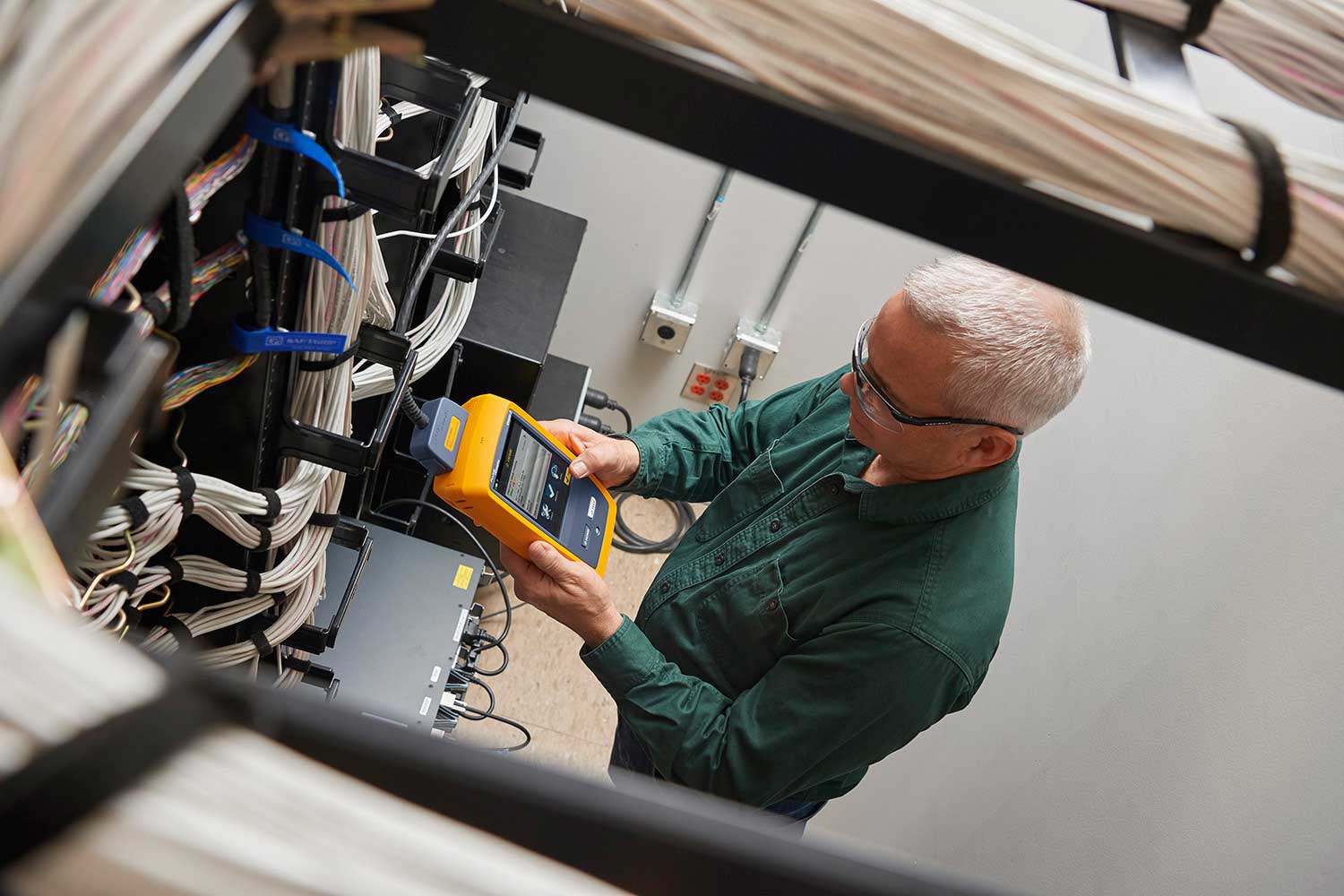
Three Reasons Cabling Certification Is More Important Than Ever
Every time you complete the installation of a structured cabling system, you can choose whether to certify it. All links in the system should be tested in some way to make sure that they’re connected properly, but is it necessary to measure and document the performance of every link?
Evolving Our Infrastructure Means the Wire and Cable Industry Must Prioritize Sustainability | Sustainable Brands
To sustainably support the tremendous global demand for connectivity, collaboration is needed across the value chain to create solutions that enable more inf…
Ready for theEnergy Transition?
From wind and solar park planning to delivering high-quality energy cables, we bring your projects to life.
Free initial consultation for your project.